
Entity stacking is a process that involves organizing multiple data entities in a structured manner. This often requires identifying key attributes and relationships between entities to ensure efficient data utilization. The challenge lies in maintaining data integrity and avoiding redundancy.
Integrating different data sources in entity stacking can present significant challenges. These include handling disparate data formats and ensuring compatibility across systems. Successful integration requires robust data mapping and transformation strategies to create a cohesive data structure.
Protecting sensitive information during entity stacking is crucial. This involves implementing stringent access controls and encryption measures to safeguard data. Addressing security vulnerabilities proactively helps prevent unauthorized access and data breaches.
Entity stacking SEO involves creating consistent entity signals—like social profiles and trusted mentions—so Google can clearly understand and validate a brand. For clients and non-technical marketers with basic SEO familiarity, this process is essential. Why? Because it helps ensure search engines recognize your brand across the internet, enhancing your online presence. When executed correctly, entity stacking can lead to better search results, more credibility, and increased trust among potential customers. But it's not without its challenges. Let's explore what those might be and how to tackle them.
Consistency is crucial. But how do you maintain it across various platforms? Let's break it down.
Consider a small coffee shop aiming to expand its online presence. They create consistent social media profiles on Instagram, Facebook, and LinkedIn, using the same name, logo, and messaging. This uniformity helps Google—and potential customers—recognize them as a single entity, boosting their credibility and search rankings.
Juggling various platforms can be overwhelming. Here’s a step-by-step approach:
Why are trusted mentions important? They act as endorsements for your brand. Here is why:
How do you know if your entity stacking efforts are working? Focus on clear metrics:
Regularly review these metrics to gauge the effectiveness of your entity stacking strategy.
Entity stacking SEO means building consistent entity signals—like social profiles and trusted mentions—so Google can clearly understand and validate a brand. This concept is crucial for marketers who want to ensure their brand stands out in search results. The process involves creating a network of online entities that support and reinforce the brand's identity. For clients and non-technical marketers, understanding this helps in managing their online presence effectively. It’s about creating a digital footprint that is both recognizable and reliable, making it easier for search engines to connect the dots.
A local coffee shop wanted to boost its online presence. They started by aligning their social media profiles with their website information. They then got featured in a local food blog, which helped create a trusted mention. Over time, this improved their search visibility and foot traffic, showcasing the power of entity stacking.
https://www.linkedin.com/posts/jesper-nissen-9508794_seo-entityseo-jespernissenseo-activity-7431039819859996672-qRg7/ .Trusted mentions are like endorsements for your brand. They come from reputable sources that add credibility. For marketers, securing these mentions can significantly enhance your brand’s authority. Aim for mentions in industry-relevant blogs, news outlets, or partnerships with influencers who align with your brand values.
While entity stacking is powerful, pitfalls exist. Misinformation or inconsistent data can harm your brand’s credibility. Regular audits and a clear strategy can prevent these issues. Avoid over-relying on any single platform or source to distribute your brand message.
Success in entity stacking is visible through improved search visibility and brand recognition. Track metrics such as search engine ranking improvements, increases in website traffic, and engagement rates on social media. These indicators show whether your efforts in building consistent entity signals are paying off.
Maintaining consistency across all online platforms is crucial for entity stacking SEO. When your brand message varies from one profile to another, it can confuse search engines and weaken your entity signals. Consistency in name, address, phone number, and other key details helps build trust with search engines like Google. This uniformity aids in creating a strong, reliable brand presence online. As a result, search engines can more easily validate your brand, which enhances your SEO efforts.
Creating profiles on various platforms is a fundamental step in entity stacking SEO. Each profile acts as a distinct signal that contributes to the overall perception of your brand. It's not just about having profiles but ensuring they are complete and optimized. This means adding logos, descriptions, and links to your main website. Properly filled profiles enhance your brand's visibility and credibility. They also increase the chances of being indexed by search engines, which is crucial for SEO.
Mentions from reputable sources are powerful in entity stacking. They serve as endorsements that reinforce your brand's legitimacy. These mentions can come from news sites, industry blogs, or partnerships with other businesses. The more trusted mentions you accumulate, the stronger your entity signals become. This helps search engines to associate your brand with authority and trustworthiness. Consequently, it can lead to higher rankings in search results.
Ensuring that your data is accurate and up-to-date is another critical aspect of entity stacking. Inaccurate information can lead to misinterpretations by search engines, affecting your SEO negatively. Regular audits of your online presence can help catch discrepancies. Correcting these errors promptly ensures that search engines have the right information to work with. This accuracy supports the credibility of your entity signals, making your SEO efforts more effective.
Producing relevant content that aligns with your brand identity is essential for effective entity stacking. https://www.youtube.com/post/Ugkx1CXKlA349UxdZsH6h4wrc4_L_ynGrW0G . Content that resonates with your brand strengthens your entity signals. This includes blog posts, social media updates, and even multimedia content. The key is to maintain a consistent voice and message across all channels. This not only helps in engaging your audience but also reinforces your brand's narrative to search engines. Ultimately, relevant content serves as a cornerstone for successful entity stacking SEO.
Entity stacking SEO means building consistent entity signals—like social profiles and trusted mentions—so Google can clearly understand and validate a brand. This process isn't just about creating content; it's about ensuring every signal aligns with the brand's identity. For clients and non-technical marketers, grasping this is crucial. It helps in creating a robust online presence that Google recognizes and trusts. The challenge? Keeping these signals consistent and high-quality across various platforms. Let's explore why this matters and how you can navigate these challenges effectively.
How do you know if your entity stacking efforts work? Look at these metrics:
Consistency is the backbone of entity stacking. Every profile, mention, and piece of content must reflect your brand accurately. Here's how:
Quality matters as much as consistency. Here's a mini-case to illustrate:
Imagine a local bakery wanting to boost its online presence. They create profiles on social media and get mentioned by trusted local food bloggers. The bakery ensures every profile uses high-quality images and accurate descriptions. As a result, Google recognizes them as a reliable entity, boosting their search visibility.
Regular audits ensure your signals remain effective. Here's a step-by-step walkthrough:
Tracking these metrics helps you adjust strategies as needed to maintain effective entity stacking.


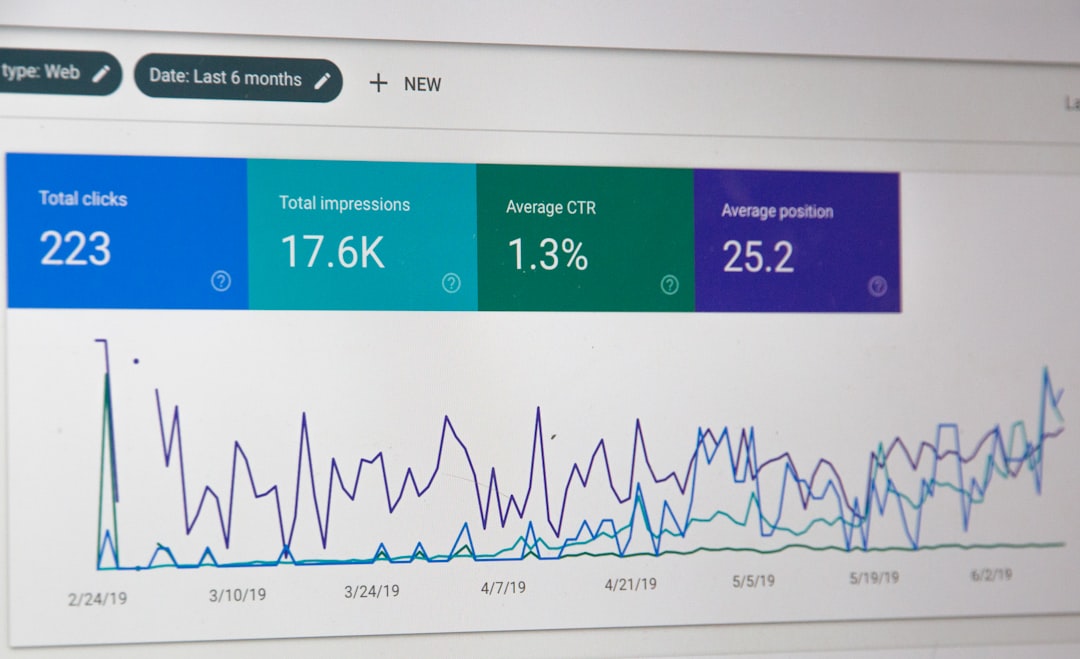
Entity stacking SEO means building consistent entity signals—like social profiles and trusted mentions—so Google can clearly understand and validate a brand. This concept may sound technical, but it’s vital for anyone looking to improve online visibility. For marketers and clients with some SEO background, the idea is straightforward: make sure your brand’s digital footprint is consistent and credible. Why does this matter? Because when your brand is well-represented across various online platforms, it becomes more recognizable to search engines, which can lead to higher search rankings and better online reputation.
Keeping your brand consistent across different platforms is key. This means using the same name, logo, and messaging wherever your brand appears online. Why does this help? It ensures that search engines and users alike recognize your brand as the same entity everywhere.
Trusted mentions refer to when reputable sources talk about your brand. This can be on news websites or industry blogs. The more your brand is mentioned by trusted sources, the more credible it appears to search engines.
A local bakery found that mentions in popular food blogs led to increased foot traffic and online orders. By focusing on getting mentioned by trusted local food critics, they improved their brand’s credibility and reach.
Social media profiles play a big role in entity stacking. They are often the first place potential customers will look for more information about your brand. Keeping these profiles active and consistent can boost your brand’s online presence.
How do you know if entity stacking is working? Track metrics like brand mention frequency, social media engagement, and search engine rankings. These indicators can show how well your brand is being recognized online.
Entity stacking SEO means building consistent entity signals—like social profiles and trusted mentions—so Google can clearly understand and validate a brand. This process is crucial because it helps search engines associate your brand with authority and trustworthiness. For clients and non-technical marketers, understanding the basics of entity stacking can feel overwhelming, but it’s important to grasp its significance. By focusing on consistency across platforms, you can improve your brand’s visibility and ensure that Google recognizes your entity as legitimate and credible. Let’s explore the common challenges you might face in this process and how to address them effectively.
Consistency is key in entity stacking. Here’s how to ensure it:
Trusted mentions enhance your brand’s authority. Here’s what you need to know:
Imagine a local bakery aiming to boost its online presence. By ensuring their business name, address, and phone number are consistent across Google My Business, Yelp, and Facebook, they strengthen their entity signals. Additionally, by partnering with a local food blogger for a feature, they earn a trusted mention. This combination helps Google validate their brand, improving search visibility.
Tracking the effectiveness of your entity stacking efforts is essential. Here’s how:
Pay attention to changes in:
Avoid these mistakes in your entity stacking journey:
Identify inconsistencies and start building credible mentions today. Regular audits and strategic partnerships can make a significant difference in your brand’s online authority. Stay proactive and keep your entity signals strong!
Entity stacking SEO is all about creating a web of consistent signals that help Google understand and validate your brand. This involves building social profiles and gathering trusted mentions. But why should clients and non-technical marketers care? Simply put, the clearer Google understands your brand, the better your visibility in search results. For anyone dabbling in SEO, grasping the basics of entity stacking can make a difference in how effectively your brand communicates with search engines. Let’s explore the common challenges in this process and how to tackle them.
Consistency is key. When your brand appears the same across different platforms, it signals reliability to Google.
Handling numerous profiles can be overwhelming. Here’s how to simplify:
How do you know if your efforts are paying off?
Imagine a small local bakery looking to increase its online presence. They started by creating consistent profiles on popular social media platforms and local directories. By ensuring their business name, address, and phone number were identical everywhere, they noticed a gradual increase in search visibility. Over time, their website traffic grew, primarily driven by local searches. This consistency helped Google trust their brand, improving their rankings.
Building trust goes beyond profiles. Start here:
How can you tell if your entity stacking efforts are successful? Look at these indicators:
Entity stacking SEO is all about building consistent signals online, like social profiles and trusted mentions. The goal? To help Google understand and validate your brand. For clients and marketers with some SEO knowledge, it’s like giving Google a clear map of who you are. This process is vital because it helps boost your brand's visibility and credibility online. When Google gets a consistent picture of your brand across different platforms, it’s more likely to rank you higher in search results. But achieving consistency across various platforms and mentions can be challenging. Let’s explore these challenges and see how you can tackle them effectively.
Imagine a local bakery, "Sweet Bites." They use the same logo and color scheme on Instagram, Facebook, and Twitter. Their bios echo the same friendly tone, and every post includes a link to their website. This consistency helps Google recognize "Sweet Bites" as a reliable entity, improving their search visibility.
Keeping your brand’s online presence consistent can be tricky. Different platforms have their own quirks and guidelines. Plus, changes in your brand strategy can lead to inconsistencies. The key is to regularly audit your profiles and mentions. This ensures that your brand message stays uniform across all channels.
Here’s how you know it’s working: Monitor your search rankings for key brand terms. Keep an eye on referral traffic from social profiles and mentions. Track engagement metrics like likes, shares, and comments. These indicators show whether your entity stacking efforts are paying off.
One common pitfall is neglecting updates. As your brand evolves, your entity signals should too. Another is spreading too thin across platforms. Focus on a few key platforms to maintain quality. Lastly, don’t ignore feedback from your audience. It can help you refine your strategy.
Entity stacking SEO is a valuable tool for boosting your brand's online presence. By focusing on consistent social profiles and trusted mentions, you can help Google better understand and validate your brand. Although challenges exist, clear strategies and metrics can guide your efforts. Stay consistent, measure your success, and adapt as needed to navigate this essential SEO process.